
Parts of Speech Example Sentences
Practice 150+ Articles in Sentences With Examples
A and an mark a noun as new or general, the marks it as specific or known, and plural, uncountable, and proper nouns often take no…
150+ Adverbs of Frequency in Sentences to Use
Adverbs of frequency in sentences tell you how often an action happens, from always at one end to never at the other. In most sentences the…
Abstract Nouns Example Sentences
An abstract noun names something the senses cannot reach: a feeling, a quality, an idea, a state, or an experience. Unlike a concrete noun, it labels…
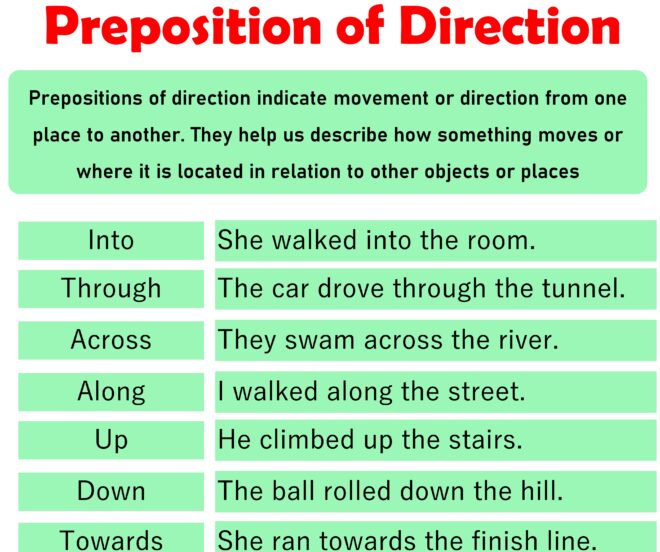
Prepositions of Direction in English with Examples
Prepositions are important elements of the English language that help us express relationships between different words in a sentence. One common type of preposition is the…
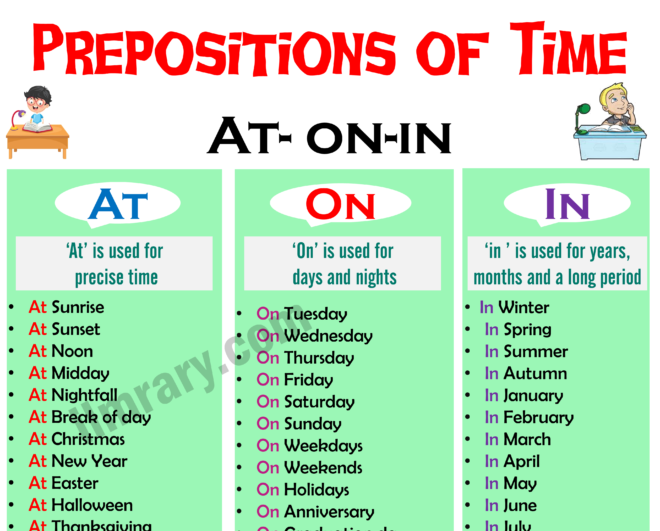
Prepositions of Time with 100 Examples
Prepositions of time are essential tools in English grammar that help us talk about specific time periods, durations, and relationships between events. we will explore prepositions…
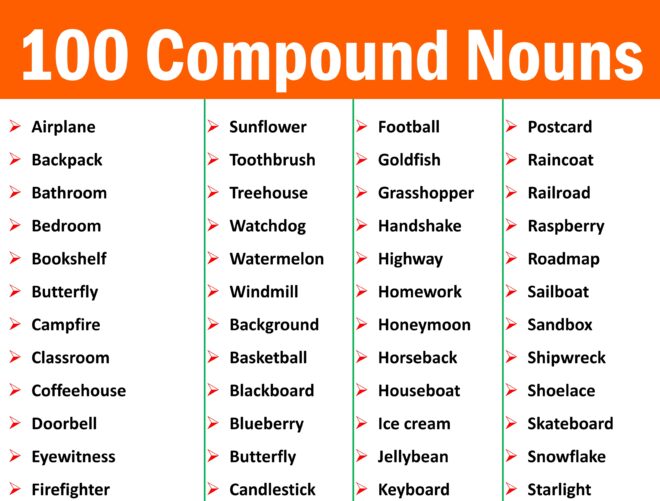
Compound Nouns: 100+ Compound Nouns in English
Compound nouns are an integral part of the English language that combines two or more words to create a single noun. we will explore compound nouns,…
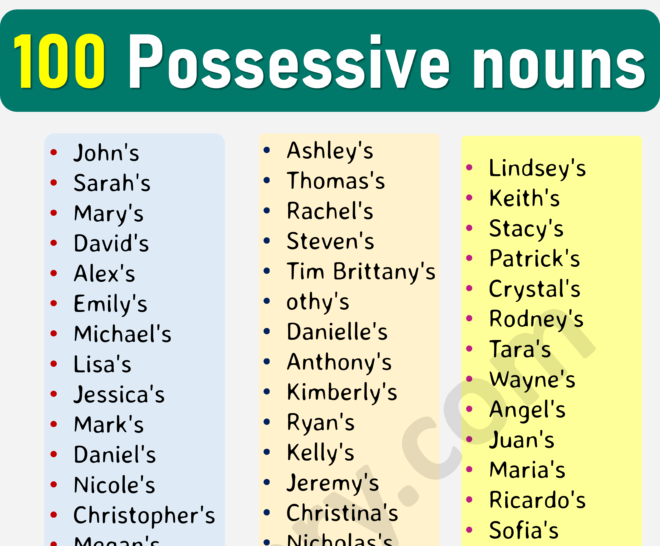
Possessive Noun Definition: 100 Examples of Possessive Nouns
Possessive nouns are an essential part of the language that indicates ownership or possession. In this beginner-friendly blog post, we will explore possessive nouns, and their…
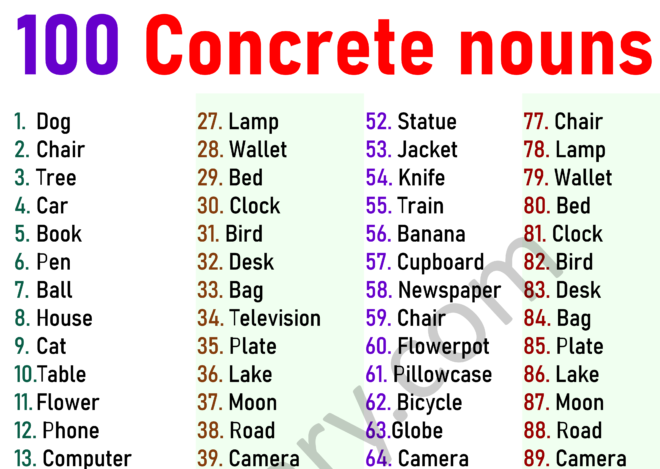
Concrete Nouns: List of 100 Concrete Nouns in English
Concrete nouns are fundamental building blocks of language that represent tangible objects, people, places, or things. In this beginner-friendly blog post, we will explore concrete nouns,…
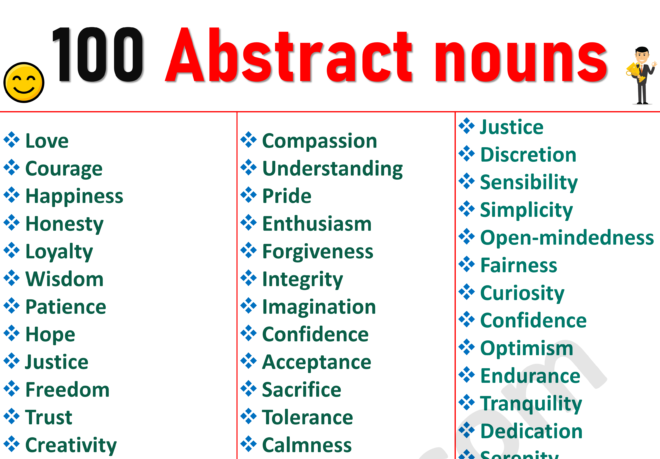
Exploring the World of Abstract Nouns: A Comprehensive List of 100 Examples
Introduction: Abstract nouns are important parts of speech that represent intangible ideas, emotions, or qualities. In this beginner-friendly blog post, we will explore abstract nouns, their…
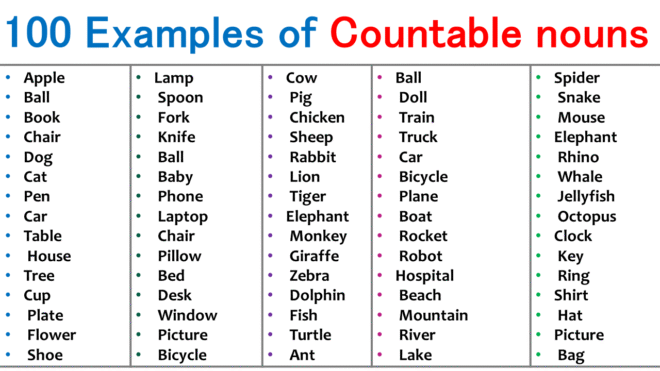
Understanding Countable Nouns: 100 Examples of Countable Nouns
When learning English grammar, one fundamental concept to grasp is countable nouns. They are words that can be counted and have both singular and plural forms.…
Learning parts of speech is crucial for developing strong language skills. Parts of speech are the building blocks of sentences and understanding how they function allows us to communicate effectively and accurately. Here are some reasons why learning parts of speech, along with example sentences, is important:
- Enhances sentence structure: Knowing the parts of speech helps us construct grammatically correct sentences. For instance, understanding the difference between nouns and verbs enables us to create coherent subject-verb agreement, such as “The cat purrs” or “She writes beautifully.”
- Improves vocabulary: Learning parts of speech exposes us to a wide range of words and their functions. By identifying nouns, verbs, adjectives, adverbs, and other parts of speech in example sentences, we become familiar with their meanings and usage, expanding our vocabulary and language repertoire.
- Enables effective communication: The correct use of parts of speech ensures clarity and precision in communication. By knowing when to use a noun, verb, adjective, or adverb, we can convey our ideas accurately. For instance, using the adjective “exquisite” in the sentence “She wore an exquisite dress” evokes a more vivid and specific image compared to a simple “nice” or “pretty.”
- Enhances writing skills: Writing effectively requires mastery of parts of speech. Being aware of different sentence structures and the role each word plays helps us create coherent paragraphs and develop well-structured essays or stories. Understanding parts of speech allows us to vary our sentence constructions and use language creatively.
- Facilitates language comprehension: When reading or listening to others, recognizing the parts of speech helps us understand the meaning and intent behind the words. It allows us to identify the subject, action, description, and other elements in a sentence, aiding in overall comprehension.